Anal sex beginners guide: Safety, comfort & pleasure made simple
Learn how to enjoy anal sex safely and comfortably with easy-to-follow tips on consent, preparation, toys, and communication. This beginner-focused guide clears away confusion and pressure, making it easier to grow intimacy and pleasure together.
Anal sex can become a meaningful, intimate way to expand a couple’s sexual connection when it’s entered into with patience, preparation, and honest communication. This guide is written for couples who are curious about trying anal sex for the very first time, as well as for those who have already had early experiences and want to make them safer, more enjoyable, and more comfortable for both partners. In the following sections, you’ll find clear explanations about anal sex consent, anatomy, preparation, lubrication, positions, safety, common mistakes to avoid, emotional aftercare, and straightforward answers to the most frequent questions. The language is kept simple and direct—there’s no slang, no confusing metaphors, and no unnecessary pressure—so everything remains easy to understand and useful for you now and in the future.
1. Core Principles Before You Begin Anal Sex
1.1 Consent and Communication
Before beginning any kind of anal sex, both partners must give enthusiastic and ongoing consent. This doesn’t just mean a quick “yes”—it means a proper conversation where you discuss limits, desires, safe words, and what each of you would consider “too much” or “too slow.” Create an agreed vocabulary with simple cues such as “stop,” “pause,” “more,” or “less,” and keep using them throughout the experience. These conversations build trust, ease nerves, and set a positive tone. Studies show that partners who communicate openly and honestly about sex have greater satisfaction and feel safer in their intimate relationships.
1.2 Mindset and Relaxation
The body responds strongly to stress and nervousness, and since the anus is surrounded by muscles, tension can make anal sex uncomfortable or even painful. That’s why it’s important to create a relaxed mindset before starting. Gentle touch, massages, deep breathing, warm showers, and longer foreplay help the receiving partner feel secure and physically ready. Begin with external stimulation such as a soft massage or the gentle use of fingers—this prepares the body gradually, builds confidence, and lowers anxiety.
1.3 Basic Anatomy
Understanding how the body works helps remove uncertainty and makes the experience less intimidating. The anus is controlled by the sphincter muscle, which needs time and relaxation before penetration is comfortable. Unlike the vagina, the anus doesn’t self-lubricate, so external lubricant is absolutely necessary to avoid pain or injury. For partners with a prostate, anal sex can provide additional pleasure since the prostate can be stimulated through the rectum. But this is optional—the focus of anal sex should always be mutual comfort and exploration, not reaching a specific sensation. Because the tissues inside the rectum are very delicate, rushed or careless penetration can cause small tears, which increases the risk of infections.
1.4 Safety and Hygiene
- Hygiene: A thorough shower and careful external cleaning around the anus is enough for most beginners. Overusing an intimate shower or enema can cause irritation or upset the body’s natural balance if done too often. If you decide to use an intimate shower for extra reassurance, choose a gentle, specially designed system and follow the instructions carefully to avoid high pressure. Explore recommended options here: intimate shower.
- Barrier protection: Condoms, finger cots, or toy covers help reduce the risk of sexually transmitted infections (STIs). Always change the condom or barrier if you switch from anal sex to vaginal or oral play—this prevents the transfer of bacteria.
- STI awareness: Because small tears can happen more easily during anal sex, the risk of STI transmission is higher than with other activities. Consistent condom use, awareness of both partners’ STI testing status, and considering preventive steps such as PrEP for HIV are all part of responsible, safer play.

2. Preparation for Anal Sex
2.1 Lubricant Selection
Lube is not optional—it’s essential. Since the anus doesn’t create its own lubrication, penetration without plenty of lube can quickly lead to pain or damage. Here are the three main types you should know about:
- Water-based: Easy to clean, safe to use with all toys and condoms, but tends to dry faster and often needs reapplying.
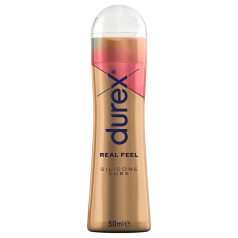
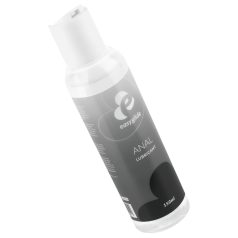
- Silicone-based: Long-lasting, extremely slick, and considered ideal for anal sex. You can find excellent options here: silicone-based anal lubricant.
- Oil-based: Not recommended with latex condoms, as oil weakens the latex and makes breakage more likely.
For beginners, a thick silicone-based anal lubricant or a hybrid lube is usually the best choice. These create smooth movement and reduce the need for frequent reapplication. Always use plenty of lube on both the anus and whatever you plan to insert, and don’t hesitate to reapply as often as needed. A “small amount” is rarely enough.
2.2 Anal Fingering
Anal fingering is an important step because it helps the body adapt gradually to penetration while giving both partners the chance to explore sensations and build trust. It’s a foundation for more advanced play.
Start with clean, lubricated fingers and focus first on the external area. Use gentle massage, taking your time before inserting a finger. Once ready, carefully insert one finger, letting the receiving partner set the pace. You can explore small rotations or depth changes, but communication should remain constant. This gentle stretching reduces anxiety and helps prepare the muscles. If the receiver feels tension, pause, breathe, and continue only when they are ready. Frequent, shorter sessions build more confidence than rushing through one long attempt.
2.3 Choosing Sex Toys and Gear for Anal Sex
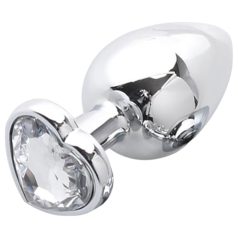
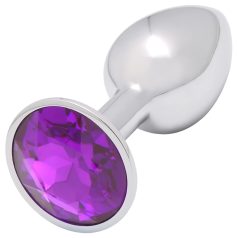
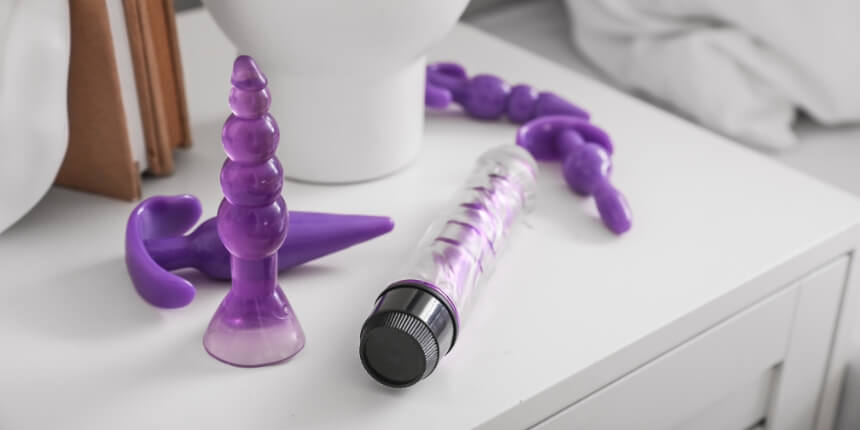
Picking the right anal toys is one of the most important steps in making anal sex both safe and pleasurable. Toys designed for anal play are built differently from general sex toys—they always need a flared base and a body-safe material to avoid accidents or discomfort. Below you’ll find a guide to the most common types, explaining what they are, what sensations they create, and how beginners can use them with confidence.
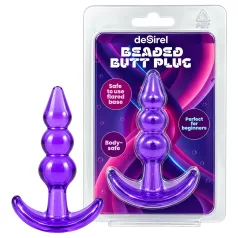
Anal Plug and Anal Beads
- What they are:
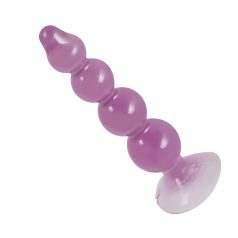
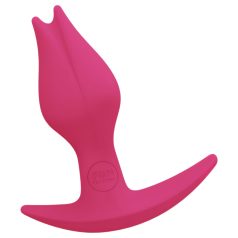
Anal plugs are tapered toys with a wide base, designed to be inserted and worn comfortably inside the anus. Anal beads are a string of gradually larger balls linked together with a safe retrieval cord. - Purpose:
These toys are used to get the body accustomed to the sensation of fullness. Anal plugs provide steady pressure and can even be worn during foreplay, while anal beads give a unique, rhythmic feeling when slowly removed. - Beginner guidance:
Start small, always use plenty of lube, and insert slowly. Don’t leave the toy inside for too long at first, and always make sure the toy has a flared base so it doesn’t slip inside completely.
Anal Dildo
- What they are:
These are non-vibrating toys specifically shaped for anal penetration, usually with a tapered end and a safe base. - Purpose:
They allow you to explore penetration with controlled depth and movement, without the distraction of vibration. - Tips:
Choose a small, beginner-friendly size made of body-safe materials such as silicone. If you share the toy or use it between different partners, put on a condom for hygiene.
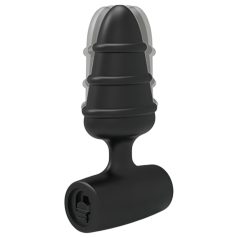
Anal Vibrator
- What they are:
Insertable anal toys that vibrate, often designed with ergonomic shapes to stimulate sensitive areas or the prostate. - Purpose:
The vibration helps relax the muscles, reduces discomfort during penetration, and adds extra pleasure. - Guidance:
It’s best to get comfortable with non-vibrating toys first, then slowly introduce vibration. Begin on the lowest setting, make sure the base is always visible, and experiment together to discover which speeds and patterns feel good.

Safety and Maintenance Across Gear
- Always clean anal sex toys both before and after use with a mild soap or a dedicated toy cleaner.
- Keep them in separate storage pouches to avoid material damage, especially if the toys are made of different substances.
- Use condoms on toys when they are shared between partners or used in multiple ways during a session.
- Inspect toys carefully for cracks, damage, or wear before using them.
For beginners, it’s often helpful to start with small starter kits that include anal plugs, anal beads, anal dildo, and later move on to anal vibrator once you feel more confident.
2.3 Physical Preparation
- Start gradually: Warm up with external massage and then try inserting a fingertip or a small anal plug with lots of lube. If the receiving partner feels discomfort, pause immediately and slow down.
- Anal douche / optional cleansing: If you decide to use an intimate shower, make sure to use it gently and not too often. Most beginners don’t actually need one—external washing is usually enough. If you prefer the extra cleanliness, choose a safe, specially designed intimate shower, follow the instructions carefully, and avoid harsh solutions or high pressure. Browse safe options at intimate shower.
- Positioning: Choose positions that allow the receiving partner to control depth and speed—like being on top, lying on the side (spooning), or using pillows for support. These give more comfort and control.
2.4 Mental and Environmental Setup
Create a calm, private space with soft lighting, a comfortable temperature, and all supplies (lube, condoms, towels, toys, disposal bag) within easy reach. Simple pre-agreed phrases like “let’s go slowly” or “pause for a moment” help keep the flow natural without needing to break the mood during intimacy.
A ChatGPT ezt mondta:
3. First-Time Anal Sex Step-by-Step
3.1 Warm-Up
Take your time with foreplay before attempting penetration. Gentle external anal touches, light massage around the area, kissing, and arousal through other kinds of play all help the body relax. Always apply lube generously before any insertion. If you’re using fingers, start with one well-lubricated finger and insert it very slowly, letting the sphincter adjust naturally. Keep asking the receiving partner how it feels and listen carefully to their feedback before moving further.
3.2 Initial Penetration
When you move towards penetration, whether with a toy or a penis, go very slowly and apply steady but gentle pressure. Begin with shallow entry and pause if any tightness or discomfort appears. The receiving partner should always have control over the depth and pace, either by positioning themselves or giving verbal cues. Both partners need to recognise the difference between mild discomfort—which means slowing down—and sharp pain—which means stopping immediately.
3.3 Finding Rhythm and Position
Once the initial entry feels comfortable, experiment with small, gentle movements such as slight withdrawal and re-entry or slow rocking. Positions where the receiver has more control, like being on top or lying on their side, make it easier to regulate depth and speed. Breathing together also helps—exhaling during penetration relaxes the muscles. Take breaks when needed, reapply lube often, and never feel pressured to rush the process.
3.4 If It Hurts
If sharp pain appears at any point, stop immediately. Add more lube, take deep breaths, and reassess. Pain is the body’s way of signalling that it isn’t ready, so don’t try to “push through it.” Sometimes a short pause or a change in angle can make things easier. If pain continues to occur despite careful, slow attempts across multiple sessions, it may be helpful to consider whether pelvic muscle tension is an issue or to seek medical advice for reassurance.
3.5 Progression
Deeper penetration and more vigorous movement don’t have to happen right away—they can come later, after trust and comfort have been built up through repeated gentle practice. The more often you take things slowly and communicate clearly, the safer and more pleasurable further exploration will feel for both partners.
4. Aftercare After Anal Sex
Looking after each other once the experience is over is just as important as preparation. Aftercare helps protect physical health and strengthens emotional intimacy.
- Physical care: Wash the area gently with water and mild soap if you like, but avoid harsh scrubbing. Remove condoms or toy covers carefully. Keep an eye out for any excessive bleeding, unusual discharge, or lasting pain afterwards.
- Emotional check-in: Talk openly about how it felt, what was enjoyable, and what could be adjusted for next time. Simple phrases like “I loved when…” or “Next time can we try…” make feedback positive and useful.
- Rest and hydration: If the experience was intense, both physically or emotionally, take some time to relax together, drink water, and recover. It’s normal for the first few times to feel like learning experiences rather than perfect sessions.

5. Common Myths and Mistakes about Anal Sex
- “Anal sex has to hurt.” This is a myth. With proper preparation, enough lube, and patience, anal sex can feel comfortable and even highly pleasurable.
- “You always need to douche first.” Overusing an intimate shower can irritate the rectum. For most people, a simple external wash is more than enough. Internal cleansing is optional and should be done gently and only occasionally.
- “You don’t need lube.” This is completely false. The anus doesn’t produce moisture on its own, so skipping lube increases the risk of tearing or pain.
- “It’s too messy or dirty.” With basic hygiene, the use of barriers, and proper clean-up afterwards, most worries can be managed easily. Honest communication about comfort levels helps reduce any feelings of embarrassment.
6. Anal Porn vs. Real-Life Anal Sex
For many couples, the first exposure to anal sex comes from anal porn. However, what is shown on screen is often unrealistic and very different from real-life intimacy. Porn is created for visual impact, not for safety or comfort.
Anal porn usually shows fast, deep penetration, often without preparation or with a suggestion of pain for dramatic effect. Real-life anal sex, especially for beginners, is about slow build-up, clear communication, and paying attention to the body’s responses. Porn rarely shows necessary steps like using plenty of lube, starting with smaller toys such as anal plugs, or having conversations about consent and comfort. Performers may even use numbing creams, careful staging, or editing to hide discomfort. In real relationships, honesty and stopping when something doesn’t feel right are far more valuable than pushing through pain for the sake of appearance.
It’s important to separate fantasy from reality. Anal porn can inspire curiosity, but safe, satisfying anal sex in real life requires education, preparation, mutual respect, and the right tools. Talk openly about what excites you, what you saw, and what feels good in reality—and never feel pressured to copy extreme acts just because you’ve seen them online.
7. Inclusive Considerations
The information in this guide applies to everyone, no matter their gender or sexual orientation. Some partners have a prostate and may enjoy prostate stimulation, while others don’t. If either partner has experienced trauma or heightened sensitivity, moving slowly, incorporating trauma-aware consent, and seeking professional support if needed can make the experience safer and more comfortable. The most important foundation is always mutual respect, patience, and the agreement that either partner can stop at any time without question.
8. FAQ
Q: Is anal sex safe for beginners?
A: Yes, when done with consent, proper lube, condoms, and gradual progress, it can be safe and enjoyable. Preparation reduces risks significantly.
Q: Do I need to use an enema first?
A: No, an enema or intimate shower isn’t necessary for most. External cleaning is usually enough. If you do choose one, use a gentle method and don’t overdo it.
Q: What’s the best lube for anal sex?
A: Silicone-based anal lubricant is usually the top choice because it lasts long and feels smooth. Explore options at silicone-based anal lubricant.
Q: How should we talk about trying anal sex?
A: Set expectations ahead of time, agree on safe words, and check in afterwards. Simple phrases like “let’s take it slowly” or “say yellow if you want a pause” help keep it relaxed.
Q: Can we switch from anal to vaginal sex?
A: Only if you change the condom or barrier first. Going directly from anus to vagina without changing increases the risk of infection.
Q: What should I do if I feel sore afterwards?
A: Clean gently, rest, and wait until you feel fully healed before trying again. If you notice ongoing pain, bleeding, or unusual discharge, it’s best to seek medical advice.
10. Closing Encouragement
There’s no such thing as a “perfect” first time with anal sex. What matters most is learning together, respecting each other’s limits, and enjoying the journey at your own pace. Take as much time as you need, keep talking openly, and come back to this guide whenever you want reminders or reassurance. Shared exploration can create a stronger bond and a deeper intimacy when both partners feel safe, respected, and cared for.
Picture swapping roles in the bedroom and unlocking a rush you didn’t know you wanted—that’s the excitement of pegging. Curious to explore? Let’s get started!
Forget what you thought you knew about the 69 – this guide takes you into a world of mutual pleasure, playful tricks, and new sensations. Learn how to make this legendary move your most intimate and exciting experience yet!
"I never knew squirting could be this powerful—she felt free, and I was left speechless. It brought us closer than any other climax ever did." Want to try it yourself? Explore our full guide and discover the secrets behind squirting pleasure.
Lost a bit of your spark? Don’t stress—it happens to all of us. Boosting libido isn’t only about better sex, it’s also key to feeling happier and healthier overall.