
15 Myths About Masturbation Debunked
Thanks to more open conversations around sexuality and the growing availability of online sex education, more and more people in Ireland are starting to see the positive side of masturbation. Even so, plenty of misleading information, outdated beliefs and taboos still cling to this completely natural activity.
In this blog post, we round up the most common masturbation myths and clear them up with science-backed facts. Whether you're a man or a woman, in a relationship or flying solo, self-pleasure can be a healthy part of your sex life.
Table of contents
- Where do masturbation myths come from?
- Myth 1: Masturbation causes illness
- Myth 2: Masturbation lowers your sex drive
- Myth 3: Masturbation drains your energy
- Myth 4: It isn't natural for women to masturbate
- Myth 5: You'll run out of sperm if you masturbate too much
- Myth 6: Masturbating while in a relationship is cheating
- Myth 7: Masturbation changes how your genitals look
- Myth 8: Masturbation reduces sensitivity
- Myth 9: Masturbation has no health benefits
- Myth 10: Masturbation causes mental health problems
- Myth 11: Athletes shouldn't masturbate
- Myth 12: Frequent masturbation causes infertility
- Myth 13: Regular masturbation turns into sex addiction
- Myth 14: There's only one way to masturbate
- Myth 15: You shouldn't masturbate on your period
- Safe masturbation: lube, cleaning and storage
- Masturbation is natural and healthy
- FAQ: Common questions about masturbation myths
Where do masturbation myths come from?
Most masturbation myths are rooted in centuries-old religious teachings, Victorian-era moral panic and early medical misinformation. For a long time, self-pleasure was wrongly linked to illness, madness and moral decline, and those ideas trickled down into popular culture and stuck around far longer than they should have.
A famous example is the 19th-century belief that bland foods and strict routines could "cure" people of masturbating. Modern science has long since debunked all of this, but the shame those ideas created still shapes how many people feel about self-pleasure today. Online sex shops have made it much easier for Irish shoppers to explore self-pleasure discreetly and on their own terms, and understanding where the old myths come from makes them far easier to let go of.

Myth 1: Masturbation causes illness
Masturbation does not cause illness, blindness, hairy palms, hair loss, spots, hormonal trouble or memory loss. It's one of the most widespread myths going, but there isn't a shred of scientific evidence behind any of it.
The reality: Masturbation is actually one of the safest ways to reach orgasm, with no risk of unwanted pregnancy or STIs.
Myth 2: Masturbation lowers your sex drive
No, regular masturbation doesn't lower your libido. A drop in sex drive is almost always down to something else entirely: stress, relationship issues, hormonal changes, medication or an underlying health condition.
The reality: Masturbation on its own won't reduce your libido. In fact, it can help keep it healthy.
Myth 3: Masturbation drains your energy
No, masturbating doesn't drain your energy or "steal your life force". You may feel relaxed or sleepy after orgasm, but that's a positive thing, not fatigue.
The reality: The post-orgasm calm is down to feel-good hormones like dopamine, oxytocin and endorphins, which lift your mood and lower stress.
Myth 4: It isn't natural for women to masturbate
Masturbation is just as natural for women as it is for men, full stop. Some people still wrongly assume that only "dirty" or "depraved" women enjoy self-pleasure, but sexual desire has nothing to do with gender.
The reality: Self-pleasure helps women get to know their own body, builds self-awareness and can even improve sex with a partner.
Myth 5: You'll run out of sperm if you masturbate too much
No, you can't run out of sperm by masturbating. A healthy man produces millions of sperm cells every single day, so there is no "supply" to use up.
The reality: A "dry orgasm" is usually down to medical issues such as retrograde ejaculation, diabetes or a blocked vas deferens, not self-pleasure.
Myth 6: Masturbating while in a relationship is cheating
No, masturbating while you're in a relationship is not infidelity. It's "me time" that helps you understand your own body and desires, which can actually make your shared sex life better.
The reality: It only becomes an issue when someone relies on it exclusively and ends up neglecting their partner. Otherwise, it's a healthy part of a balanced sex life.
Myth 7: Masturbation changes how your genitals look
No, masturbation does not change how your genitals look. It won't darken the labia, shrink the penis or alter your anatomy in any visible way.
The reality: The appearance of your genitals only changes with age, genetics, injury or surgery. Masturbation has no such effect.
Myth 8: Masturbation reduces sensitivity
Masturbation doesn't permanently reduce sensitivity. The only time you might notice a dip is if you always rely on the same overly intense stimulation — think a death grip or an extremely powerful vibrator on the same spot.
The reality: Mix up your technique, your toys and your touch, and there's nothing to worry about. Sensitivity bounces back as soon as you vary things.
Myth 9: Masturbation has no health benefits
Masturbation actually has plenty of health benefits. It's been shown to reduce stress, ease headaches and period pain, improve sleep quality, and in men it may even help maintain healthy testosterone levels.
The reality: Far from being pointless or "dirty", regular self-pleasure is genuinely good for your physical and mental wellbeing.
Myth 10: Masturbation causes mental health problems
No, masturbation itself doesn't cause anxiety, depression or any other mental health issue. Negative feelings like guilt or shame usually come from cultural attitudes around sex, not the act itself.
The reality: If you often feel low afterwards, it's worth speaking to a therapist, as there may be unresolved trauma or a deeper issue behind it.
Myth 11: Athletes shouldn't masturbate
Athletes can absolutely masturbate without harming their performance. There's no scientific evidence that self-pleasure lowers testosterone or hinders sporting results.
The reality: The fact that condoms are routinely handed out at major sporting events shows that sexual activity is a normal part of athletes' lives too.
Myth 12: Frequent masturbation causes infertility
No, frequent masturbation does not cause infertility in healthy men. The body constantly produces new sperm, so regular self-pleasure won't damage your fertility.
The reality: Infertility is always down to specific medical causes such as varicocele, genetic conditions or injury, never masturbation alone.
Myth 13: Regular masturbation turns into sex addiction
Masturbating often is not the same as sex addiction. Sex addiction is a real condition, but it means someone can no longer control their behaviour and it's interfering with their daily life.
The reality: Frequent self-pleasure on its own, without that loss of control, isn't addiction. It's just a healthy part of being human.
Myth 14: There's only one way to masturbate
There is no single "right" way to masturbate. "Lads do it like this, women do it like that" is one of those old lines you've probably heard, but masturbation is a personal experience.
The reality: Feel free to experiment with different movements, fantasies or sex toys. What matters is what feels good to you.
Myth 15: You shouldn't masturbate on your period
It is perfectly safe to masturbate on your period, and it can actually help. Orgasming during your period eases cramps, breast tenderness and stress thanks to the rush of endorphins.
The reality: International research (The Menstrubation Study) has confirmed the positive effects of masturbation during menstruation. Menstrual blood is not "unclean" — it's just blood.

Safe masturbation: lube, cleaning and storage
Safe masturbation comes down to three simple habits: use the right lubricant, clean your toys properly and store them somewhere dry and dust-free. Getting these basics right protects your skin, extends the life of your toys and makes every session more enjoyable. Discreet plain packaging on Irish deliveries also means your order arrives without a fuss, so the only person who knows what's inside is you.
Choosing the right lube
A good lubricant reduces friction, protects sensitive skin and makes everything feel better. Water-based lubes are the safest all-rounders and work with every type of toy. Silicone-based options last longer and are ideal in the shower, but avoid pairing them with silicone toys. Oil-based lubes can damage latex condoms, so check the label before you reach for them.
Cleaning your toys
Wash your sex toys before and after every use with warm water and a mild, unscented soap, or a dedicated toy cleaner. Non-porous materials like medical-grade silicone, glass and stainless steel are the easiest to keep hygienic. Always check whether your toy is waterproof before you submerge it, and never boil a toy that has a motor.
Storing toys properly
Store your toys in a clean, dry place, away from direct sunlight and dust. A fabric pouch or a dedicated box works best, and given how damp Irish bedrooms can get in winter, it's worth keeping them in a dry press rather than a bathroom cabinet where moisture builds up. Avoid tossing different materials together, as silicone toys can react with each other. Take the batteries out of any toy you won't be using for a while to prevent corrosion.
FAQ: Common questions about masturbation myths
Is masturbation actually bad for you?
No, masturbation isn't bad for your health. It's one of the safest forms of sexual activity, with no risk of pregnancy or STIs, and it can actually reduce stress, ease period pain, improve sleep and help you understand your own body better. That makes it a positive part of a balanced sex life rather than something to feel guilty about.
How often is it normal to masturbate?
There's no "normal" number. Some people enjoy self-pleasure several times a week, others a few times a month, and some rarely at all. All of it is perfectly grand. The only time it becomes a concern is if it starts interfering with work, relationships or your day-to-day life, which is when it's worth having a chat with a professional.
Can you masturbate too much?
Generally speaking, no. As long as it doesn't get in the way of work, relationships or daily life, the frequency is entirely up to you. If you find yourself reaching for it as a way to dodge difficult feelings, or if it's causing physical soreness, ease back a bit and consider speaking with a therapist.
Does masturbation lower testosterone or affect fertility?
No, regular masturbation doesn't lower testosterone in any meaningful way, and it doesn't cause infertility in healthy men either. The body constantly produces new sperm, so there's no risk of "running out". If you're trying to conceive, a doctor may suggest timing intercourse around ovulation, but that's a strategy, not a warning against self-pleasure.
Is it okay to masturbate on my period?
Absolutely. Masturbating during your period is safe and can actually be helpful. Orgasms release endorphins that ease cramps, soothe breast tenderness and lift your mood. Just pop a towel down if you're worried about mess, and listen to your body. If something doesn't feel comfortable, stop.
Which sex toy is best if I'm new to masturbation?
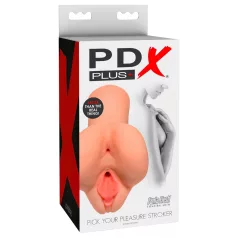
If you're just getting started, keep it simple and pick something that matches what already feels good. A small vibrator is a great first buy for clitoral or all-over play, a beginner-friendly dildo works well if you enjoy internal stimulation, and a soft masturbator sleeve is an easy entry point for penis owners. Pair it with a water-based lube and you're sorted.
Masturbation is natural and healthy
Myths about masturbation have been harming people's sexual wellbeing for centuries. It's important to be guided by knowledge and self-awareness, not fear or shame. Self-pleasure is normal, safe and beneficial, as long as it has a balanced place in your life.
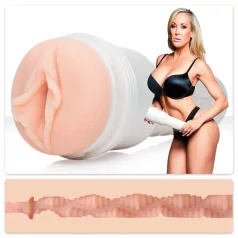
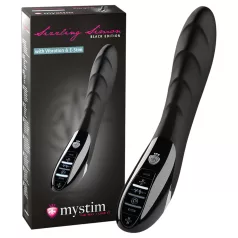
Discover what feels good, discreetly and safely. Have a browse through the masturbation toys at Desirel.ie sex shop.
Want to make homemade porn as a couple? Follow 5 simple steps to film safely at home, choose the right sex toys and store your private video securely.
Want to know how to build a sex room at home? This guide explains how to create a stylish, private and practical adult playroom, with ideas for layout, lighting, furniture, storage and discreet accessories.
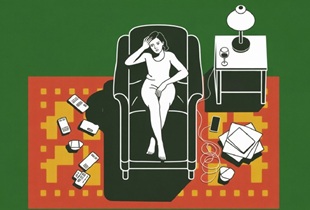
You’re not broken — your lifestyle could simply be quietly lowering your sex drive. In her 5-part series, licensed sexologist Sofie Roos reveals the everyday habits that can damage libido, and shares practical ways to help you feel desire again. Keep reading — the real cause may be closer than you realise.
Getting the spark back is one thing — keeping it alive over time is another. In the final part of her 5-part series, licensed sexologist Sofie Roos shows you how to maintain desire in the long run and avoid slipping back into old habits. Keep reading — this is where lasting change begins.