

Two Types of Sexual Desire — When It Shifts from Spontaneous to Responsive
You used to feel turned on out of nowhere, but now it seems like one of you always has to make the first move. In this 5-part series, licensed sexologist Sofie Roos explains the two types of sexual desire and why most couples naturally shift from spontaneous to responsive desire over time. Read on — understanding this could change everything.

Do you catch yourself wondering why you never start sex anymore, and miss those days when desire hit you out of nowhere and you were up for spontaneous sex all the time?
A lot of people grow up believing sex is meant to happen naturally and without effort, but the truth is that most people need some kind of initiation before they actually begin to feel turned on.
And if it seems like neither of you really gets aroused out of the blue anymore, but instead needs a clear spark and someone to make the first move, there’s a strong chance your sex life has shifted from spontaneous to responsive desire, which is one of the most common reasons a dead bedroom develops.
These are the two main forms of sexual desire, and moving from one to the other is both common and completely normal, even though it can reduce intimacy for a while, despite the fact that you still fancy each other.
So, can you actually turn this around?
Well, I’m Sofie Roos, a licensed sexologist and relationship therapist, as well as a writer for the Swedish sex positive magazine Passionerad, and in this article, I’ll walk you through what to do when neither of you takes the step towards intimacy anymore.
Spontaneous vs. Responsive Desire — What’s the Difference?
So first of all, what actually separates these two types of desire?
Spontaneous Lust — Feeling “I Want Sex Right Now”
Spontaneous desire is what many people experience when they’re newly in love. The urge appears out of nowhere, and feeling suddenly turned on by your partner when you least expect it happens often, which creates a passionate and impulsive sex life.
The problem is that many people wrongly assume spontaneous desire is the standard and that it should stay that way forever, when in reality it’s usually strongest during the honeymoon phase.
So when desire stops showing up out of the blue as often, it’s easy to panic and think something must be wrong with your relationship, your partner or even with you.
That’s exactly why it’s so important to understand responsive desire, because that’s the type of sexual desire most people experience sooner or later.
Responsive Lust — “I Only Get Turned On Once We’ve Started”
Have you ever thought, “Why do I only start feeling turned on after sex has already been initiated?”
If so, that usually means you’re experiencing responsive desire, which is especially common in long-term relationships after the honeymoon phase has settled down.
In practice, this means you become interested in sex once an erotic situation begins, or after your partner shows they want intimacy, for example through touch, flirting or a verbal invitation.
Is Responsive Lust Actually Real?
But is responsive desire genuinely a real thing, or is it just an excuse people use for a struggling sex life?
Well, a study from 2012 clearly showed that sexual stimulation increases desire, and that desire is often created by the sexual situation itself. In other words, desire does not always need to exist before the stimulus appears. It can be awakened by sexual context, where fantasy, surroundings, emotional connection and how safe you feel all play a major role.
When Neither of You Initiates Sex Anymore
The fact that sexual desire changes over time is completely normal, and sooner or later many couples end up in a more responsive phase, where spontaneous arousal is no longer a major part of their sex life.
And while this is more common than uncommon, it often becomes difficult when two people with responsive desire are both waiting for someone with spontaneous desire to take the lead.
That can create long stretches with very little sex, or none at all, not because the love or wish for intimacy has disappeared, but because you misunderstand how desire works and assume something is wrong, when in fact it has simply changed shape.
What to Do When You Both Have Responsive Desire and Aren’t Having Sex — How to Feel Desire Again
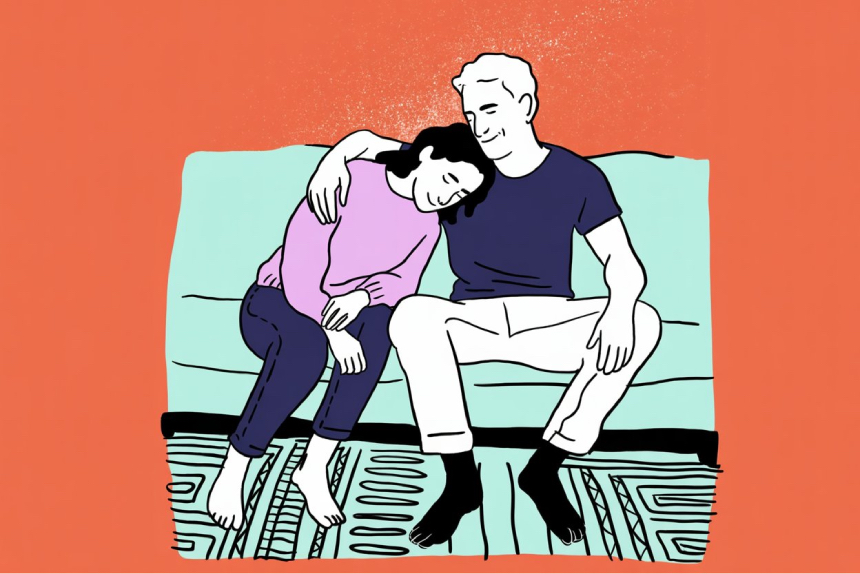
The first, and most important, step is to stop treating reduced spontaneous desire as proof that your relationship is broken.
Once you understand that, these five practical tips can make a real difference.
1. Stop Waiting to “Feel Like It” — Start Intimacy Before You Feel Horny
If both of you need stimulation before you become interested in intimacy, it helps to stop seeing sex as something that should just happen by itself, and start seeing it as something you begin and then let build.
That doesn’t mean pushing yourselves into sex when you do not want it. It means allowing yourselves to think, “Let’s start gently and see what happens,” because desire often shows up once intimacy has already begun.
2. Lower the Pressure — Let Sex Happen Without Expectations
Try to let go of the idea that sex always has to end in intercourse or orgasm, because that kind of pressure often makes intimacy feel far too demanding when both of you have responsive desire.
Instead, focus on taking the pressure off and being physically and emotionally close without a set goal. You can kiss, sleep naked, give each other a massage or even read an erotic novel together.
Because responsive desire needs safety, time and space in order to grow, small steps into intimacy are often exactly what helps it return.
3. Talk About Desire Without Pointing Fingers
When sex fades away, it’s very easy to fall into silent frustration, where one of you feels unwanted or unattractive, while the other feels pressured and stressed because it seems like they’re disappointing their partner.
If you shift the conversation from “You never want sex!” to “How does desire work for you at the moment, and what helps you feel open to intimacy?”, you create understanding around why things are the way they are, and you open the door to solutions you can find together.
The key is to be honest, ask questions with genuine curiosity, listen properly and make space for openness without judgement.
That way, it becomes a shared challenge to solve together rather than a conflict that pushes you apart.
Do also read: How to re-build lust and communicate around sex with your partner
4. Create the Right Conditions for Desire to Grow
Spontaneous desire thrives on novelty and excitement, while responsive desire tends to flourish when there is context, routine and emotional safety.
Tiredness, stress, busy periods at work or with family, and money worries are all major libido killers that make desire much harder to access, especially when both of you already have a more responsive pattern.
So think about when you feel most present and relaxed, what helps you feel emotionally and physically connected, and which sexual situations or settings have worked well for you in the past.
Rather than sitting down for a heavy, formal talk as if you were in a meeting, it often helps far more to bring it up during a relaxed date night in a natural way, because that usually feels safer and makes the conversation flow better.
5. Accept That Desire Often Shifts from Spontaneous to Responsive in Long-Term Relationships
Almost every couple moves, sooner or later, from a spontaneous style of desire to a more responsive one, and that is not a sign of failure. It is a natural stage of long-term intimacy.
What separates couples who get stuck in a dead bedroom from those who reconnect sexually is rarely how often they suddenly feel in the mood out of nowhere. It’s usually about whether they understand their type of desire, accept that it has changed, and are willing to adapt together instead of staying attached to a version of desire that belonged to an earlier phase of the relationship.
Only Feeling Desire Once You Start Doesn’t Mean the Passion Is Gone
We’re often told that real passion should be explosive, uncontrollable and completely natural, but in reality, desire in a long-term relationship often works very differently. Responsive desire does not mean you’re less sexual or that the passion has disappeared. It simply moves to a different rhythm.
Over time, desire often becomes softer, needs more intention and asks for a bit more energy, but that does not mean the attraction between you has vanished. It simply means it has changed form. So instead of asking yourself, “Why don’t we want sex anymore?”, try asking, “How has our desire changed, and how can we meet each other in that change?”
When you do that, you open the door to a deeply satisfying kind of intimacy built more on emotional closeness, trust and safety.
And to reassure you even more, even though sexual dynamics often change as relationships grow older, research from 2015 found that more than half of men and almost a third of women aged 70 and over still enjoy an active sex life.
Bottom Line — There’s Nothing Wrong With You if You Don’t Initiate Sex
So if you no longer feel spontaneous desire the way you once did, the most likely reason is not that you have lost interest in your partner, or that you are less sexual than before. More often, it means your type of desire has changed, and that your relationship now needs a new way of relating to intimacy and arousal.

You used to want each other all the time, but now the spark feels far away. In her 5-part series, licensed sexologist Sofie Roos explains why desire naturally shifts in long-term relationships, and what that really means for your love life. Keep reading — it’s more common than you might think.
You’re not broken — your lifestyle could simply be quietly lowering your sex drive. In her 5-part series, licensed sexologist Sofie Roos reveals the everyday habits that can damage libido, and shares practical ways to help you feel desire again. Keep reading — the real cause may be closer than you realise.

Getting the spark back is one thing — keeping it alive over time is another. In the final part of her 5-part series, licensed sexologist Sofie Roos shows you how to maintain desire in the long run and avoid slipping back into old habits. Keep reading — this is where lasting change begins.

Losing the spark does not mean it is gone for good — it simply means it is time to build it back up. In this five-part series, licensed sexologist Sofie Roos shares her most effective tips for reconnecting sexually with your partner and reigniting desire. Keep reading — a better sex life starts with knowing where to begin.


